


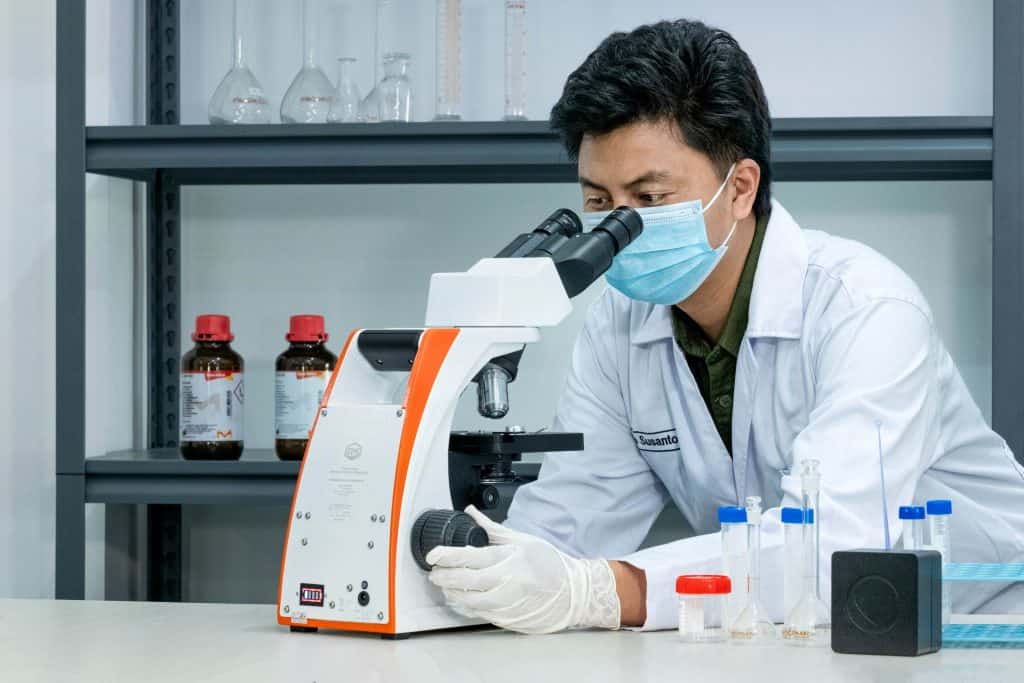
When choosing a microscope, it’s not enough to simply look at the magnification figure. The required magnification depends on the type of object, the size of the details you want to observe, and the purpose of the examination. The right magnification helps make observations more effective without losing sight of the object as a whole.
So, what magnification is needed? Here’s a guide to choosing the right magnification based on the object being observed.
1. 40×–100× Magnification for Initial Observation
Low magnification is suitable for viewing the general appearance of small objects, such as tissue sections or certain microscopic organisms. On a biological microscope with a 10× eyepiece, a 4× objective lens provides a total magnification of 40×, while a 10× objective lens provides a total magnification of 100×.
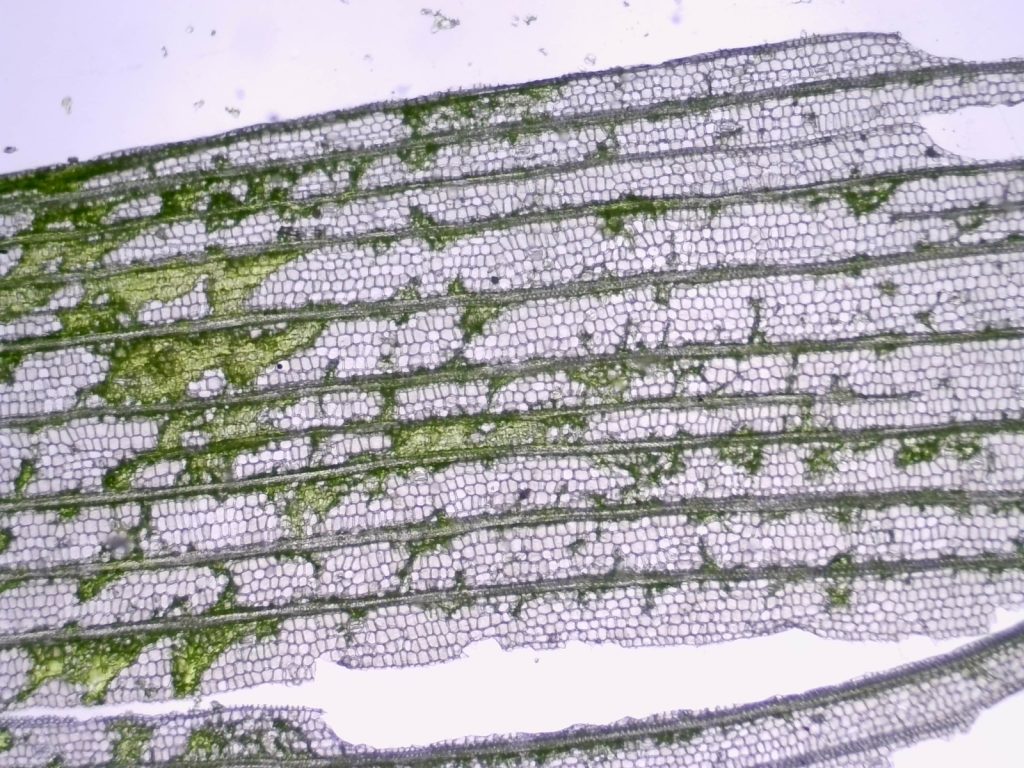
A wider field of view helps users locate objects and identify the areas they want to examine more closely.
2. 400× Magnification for Cell and Tissue Details
A total magnification of 400× is typically achieved using a 40× objective lens and a 10× eyepiece. This magnification level is often used in biology lab sessions to observe cell structures, thin sections of tissue, and certain microorganisms in specimens.
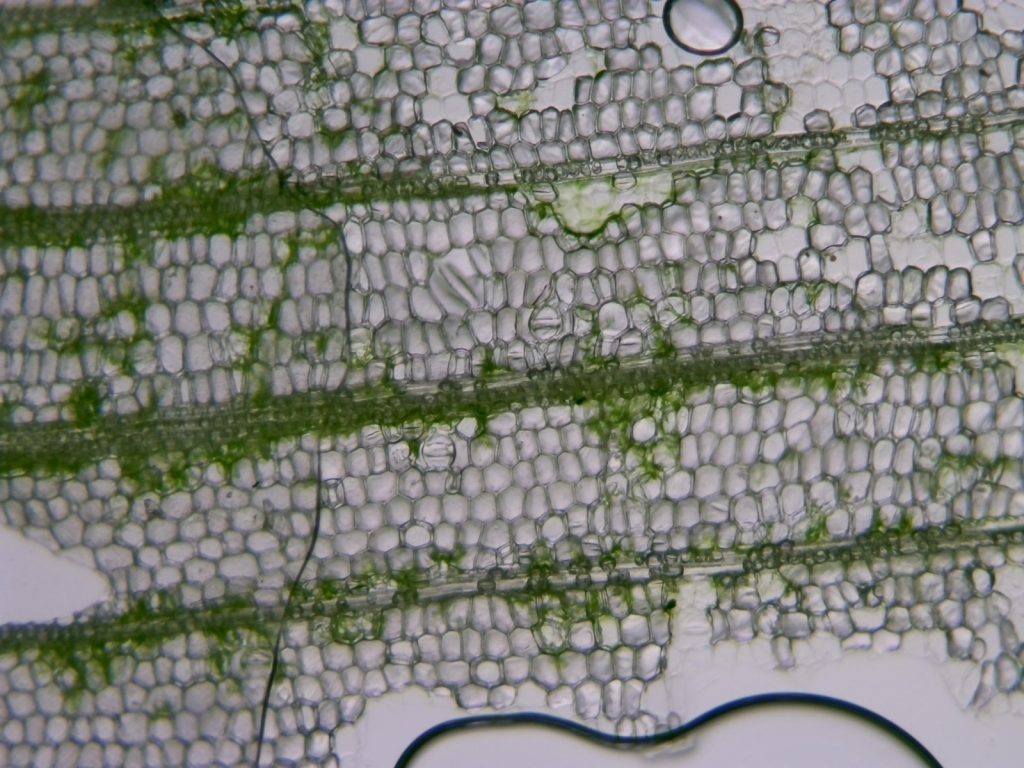
However, the level of detail visible still depends on the quality of the optics, the lighting, and the sample preparation. Not all structures can be seen clearly simply by increasing the magnification.
3. 1,000× Magnification for More Detailed Observation
A total magnification of 1,000× typically uses a 100× objective with immersion oil and a 10× eyepiece. This configuration can be used to observe the details of certain microorganisms, such as bacteria in appropriate specimens.
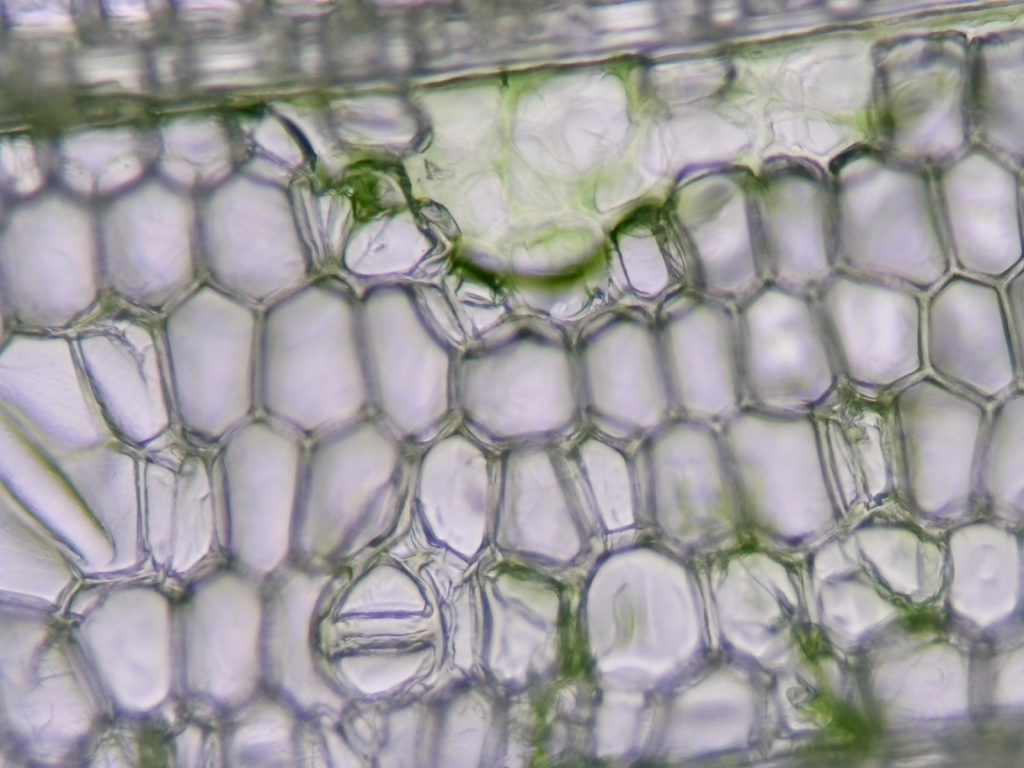
The use of immersion objectives must follow the microscope’s instructions and the type of lens. High magnification also requires proper focus, lighting, and specimen preparation.
4. Adjust the Magnification According to Your Needs
| Observation requirements | Common total enlargement |
|---|---|
| Finding objects and getting an overview | 40×–100× |
| Observing Cells and Tissues | 100×–400× |
| Observing the details of specific microorganisms | Hingga 1.000× |
This range is a general guideline for biological microscopes; it is not a strict requirement for all specimens and types of microscopes.
5. Why Isn’t a Higher Magnification Always Better?
Magnification enlarges the view of an object, while resolution determines the microscope’s ability to distinguish between two closely spaced details. Therefore, high magnification does not automatically result in clearer details. The higher the magnification, the narrower the field of view generally becomes, making it more difficult to locate the object.
Start with a low magnification, center the object, and then increase the magnification as needed. Also consider resolution, lens quality, lighting, and the type of specimen before selecting the appropriate microscope.
Choose a Microscope Based on Your Observation Needs
When choosing a microscope magnification, you should start by considering the object and the details you want to observe. To determine the right equipment for educational, research, or industrial needs, familiarize yourself with the microscope specifications and OptiLab product options through PT Miconos' official website.***