


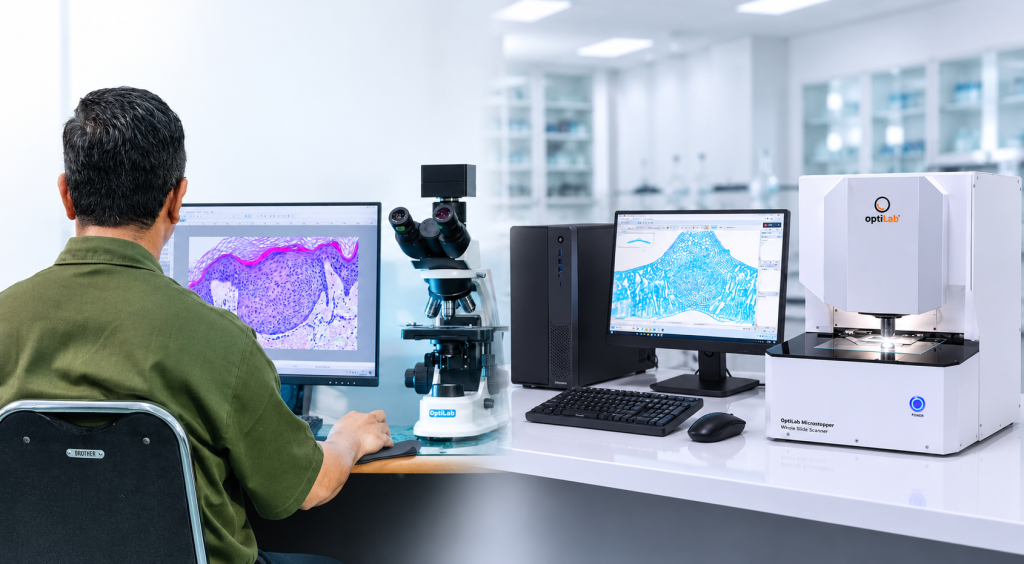
A microscope camera helps users capture images of objects viewed through a microscope in digital form. However, when documentation needs cover a more comprehensive area of the specimen, standard microscope cameras and whole-slide scanners take different approaches. One device designed for this purpose is the OptiLab Microstepper.
1. What Is the Function of a Standard Microscope Camera?
Microscope cameras are typically mounted on microscopes to capture images of the field of view being observed. Users can view the image in real time on a computer, take photos, or record videos as needed.
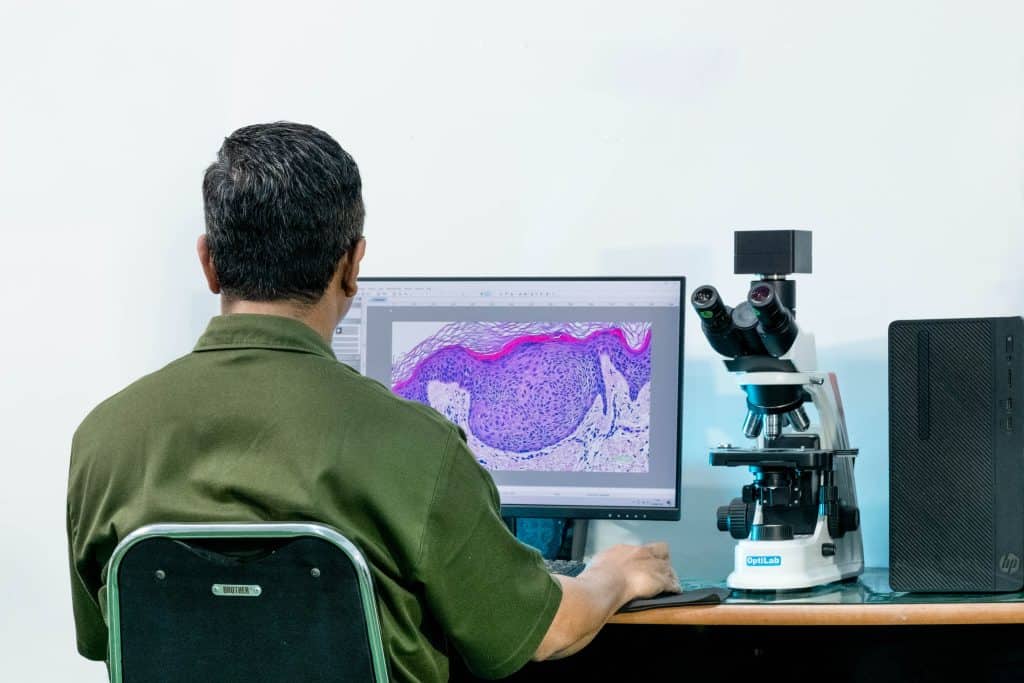
This approach is suitable for documenting specific parts of a sample, such as cell structures or microorganisms that you want to examine more closely. If you want to capture another area, you generally need to move the specimen, define the next field of view, and then take another image. Some systems can also combine multiple images using software, depending on the available features.
2. What Is the Function of a Whole-Slide Scanner?
The Whole Slide Scanner is designed to scan and document entire microscope slides. Instead of simply capturing an image of a single field of view selected by the user, this device scans the entire slide, ensuring that the resulting documentation covers the entire slide.
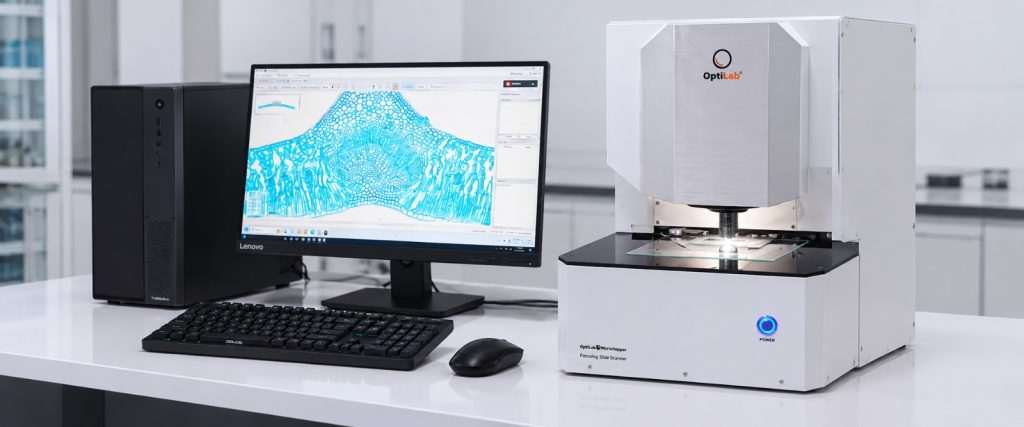
The scan results provide a broader digital view and can help users review different parts of the sample without having to manually search for each area under a microscope.
3. Getting to Know OptiLab Microstepper
The OptiLab Microstepper is a whole-slide scanner from OptiLab that uses a camera-based scanning method to document images of the entire slide. According to the product information, the Microstepper is designed to capture images of the entire slide—not just a single field of view—with the same level of detail.
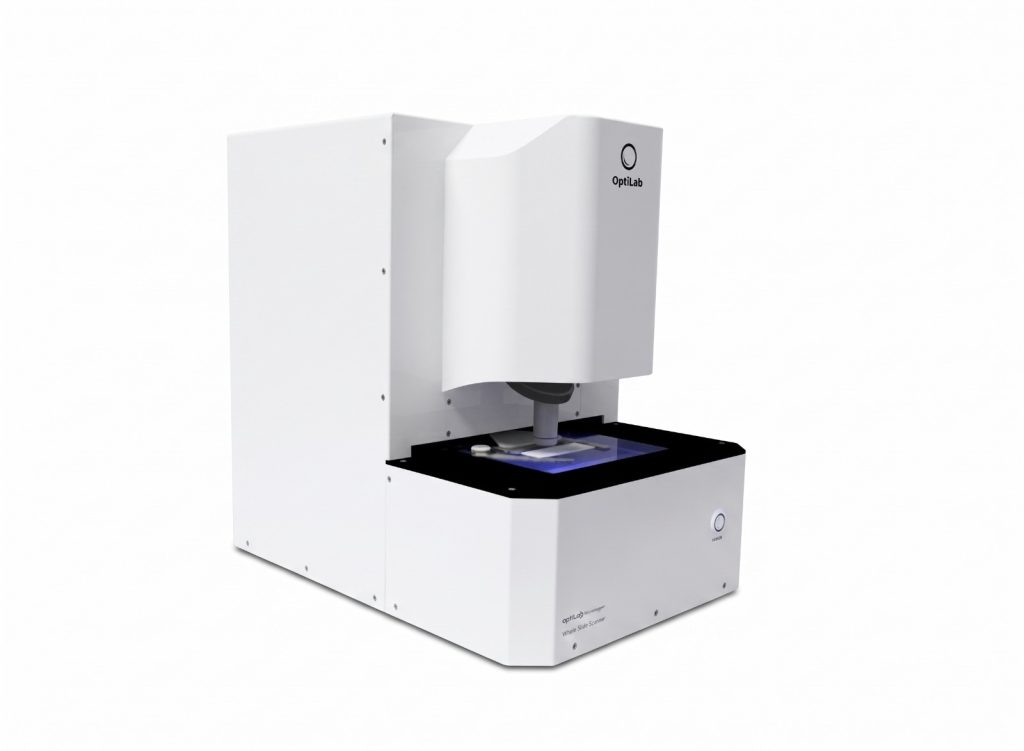
With these features, Microstepper can support the need for specimen documentation in educational, research, and laboratory settings.
4. Which One Meets Your Needs?
A standard microscope camera can be used when observations focus on a specific area, for photographic documentation, or for live video recording. Meanwhile, a Whole Slide Scanner is more suitable when users need digital documentation that covers the entire slide.
Both have complementary functions, and the choice between them depends on the purpose of the observation, the type of sample, and documentation requirements.
Conclusion
The main difference between a standard microscope camera and a Whole Slide Scanner lies in their scope of documentation. A standard microscope camera typically captures the field of view currently being observed, while a Whole Slide Scanner is designed to scan the entire slide. For product information and to make a purchase, visit OptiLab Microstepper product information on the official PT Miconos website.