


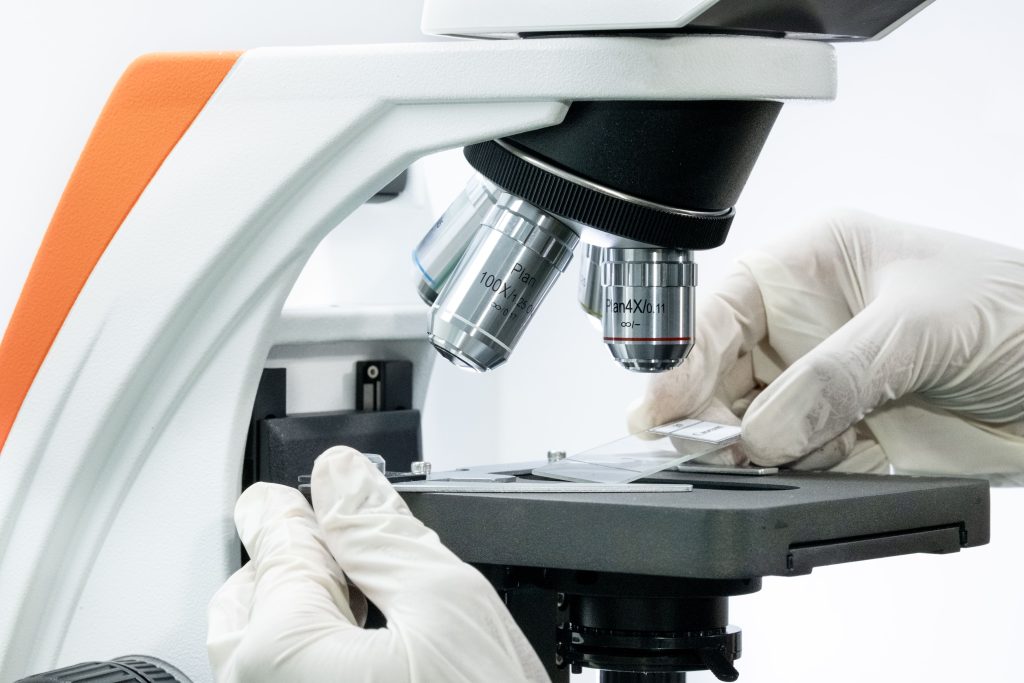
Microscopes help us observe small objects that are difficult to see with the naked eye. However, the results of these observations depend not only on the microscope’s capabilities but also on the condition of the sample being used. Therefore, the specimen plays a crucial role in ensuring clear observations that meet the objectives of the examination.
A specimen is a sample prepared for observation under a microscope. In biological observation, a specimen can be a cell, tissue, or microorganism placed on a microscope slide to make it easier to observe.
1. Helps Objects Appear More Clearly
A well-prepared slide helps position the specimen properly for observation. For certain specimens, the thickness of the slide must be taken into account so that light can pass through the specimen and produce a clearer image.
In addition, air bubbles, contaminants, or samples that are too thick can interfere with observation. Therefore, preparing the specimen is one of the most important steps before using a microscope.
2. Facilitates the Observation of Cell and Tissue Structures
Many biological structures are small and highly transparent. Using appropriate preparation techniques, these structures can be observed more clearly.
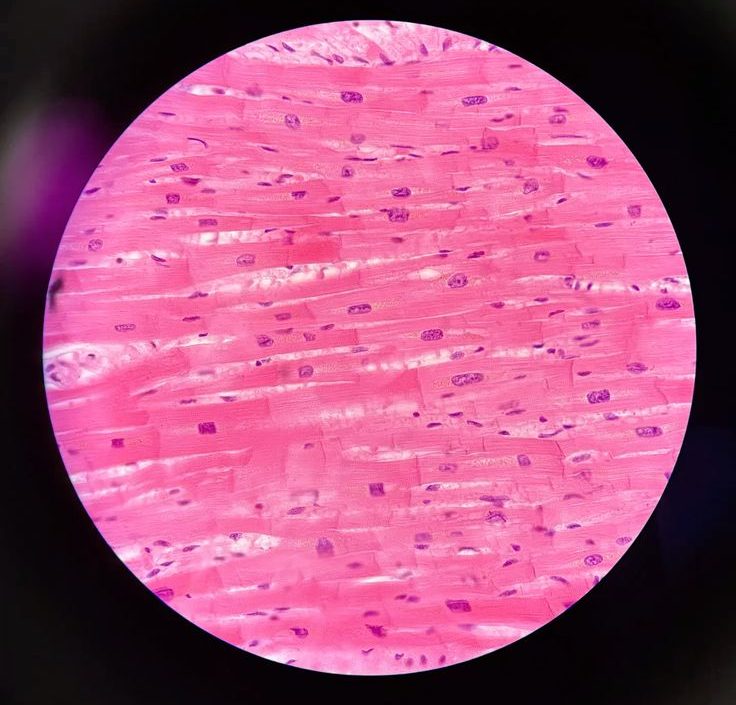
For example, tissue slides can help observers see the arrangement of cells, while microorganism slides can be used to study the shape and characteristics of the specimens. In certain samples, staining is also necessary to enhance the contrast between the parts being observed.
3. Ensuring the Accuracy of Observation Results
The quality of the specimen affects the information visible under the microscope. A poorly prepared specimen can make it difficult to distinguish details of the object or cause artifacts that could be misinterpreted as part of the sample. Observation Results
Therefore, the choice of preparation method must be tailored to the type of sample and the purpose of the observation. The microscope’s focus, lighting, and magnification must also be adjusted properly to ensure optimal observation results.
4. Simplifying Documentation and Learning
Well-prepared specimens can produce images that are easier to document using a microscope camera or a digital microscope. These images can then be used in lab reports, teaching materials, or to compare observation results.
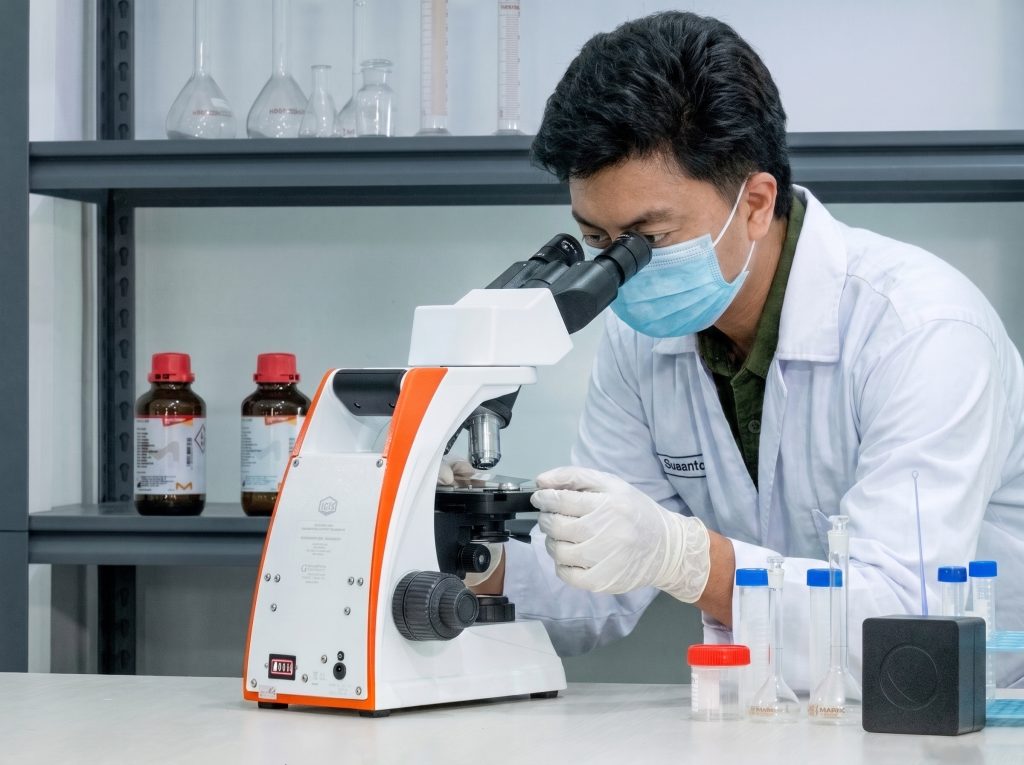
In addition, permanent specimens can be reused for educational activities as long as they remain in good condition. Meanwhile, temporary specimens are generally prepared for observation over a shorter period of time.
5. Choosing the Right Product for Your Needs
The type of slide used depends on the object and purpose of the observation. Wet slides are generally used to observe samples in a liquid medium, while permanent slides have typically undergone a special preparation process so they can be stored and reused.
By selecting and preparing specimens properly, users can obtain clearer and more informative microscopic observations. To support laboratory activities, it is also important to consider selecting the appropriate microscope and preparation equipment. Information about microscopes and laboratory equipment can be found on the official PT Miconos website at https://miconos.co.id/.