


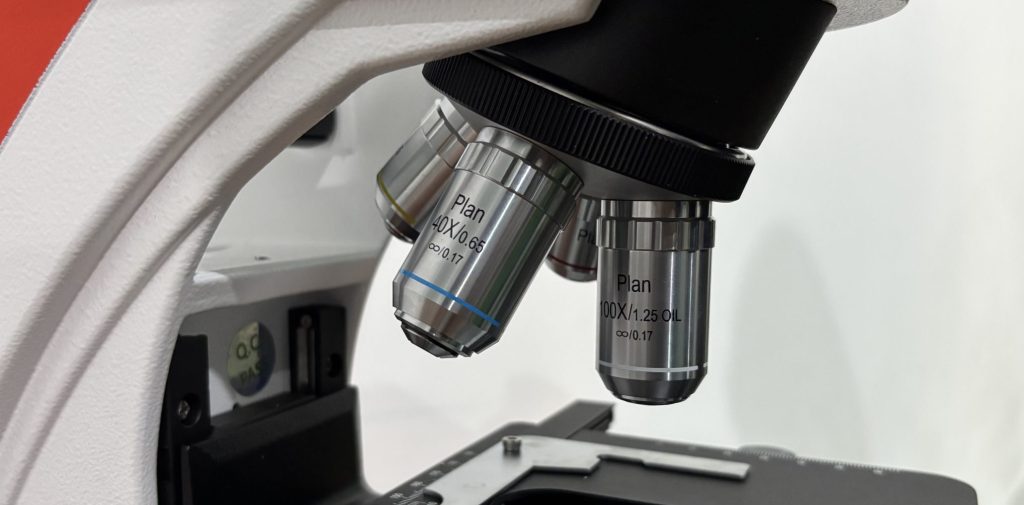
Objective Lens Details: The objective lens is one of the main components of a microscope that determines the magnification level and the level of detail of the object being observed. In light microscopes, objective lenses are generally available in several magnification options, such as 4x, 10x, 40x, and up to 100x. Each magnification level has different characteristics and uses. Plan objective lens on a microscope.
What Is the Function of a Microscope’s Objective Lens?
What Is the Function of an Objective Lens? The objective lens captures light from the specimen and forms an image, which is then magnified by the microscope’s optical system. Numbers such as 4x or 40x on the objective lens indicate the lens’s magnification.if Microscope?
If a microscope uses a 10x eyepiece, for example, a 4x objective lens produces a total magnification of 40x, while a 40x objective lens produces a total magnification of 400x.
4x Objective Lens: Getting the Big Picture
A 4x objective lens has low magnification, resulting in a relatively wide field of view. For this reason, this objective lens is typically used to locate specimens, get an overview of a slide, or observe relatively large objects.

Low-magnification objectives also have a longer working distance than high-magnification objectives. Examples of observations: the tissue as a whole, specimens with a large area, or the initial stage of locating an object on a slide.
10x Objective: More Detailed Initial Observations
A 10x objective provides greater detail than a 4x objective, while still maintaining a sufficiently wide field of view. This magnification is commonly used to observe tissue structures, relatively large cells, or specific areas of a specimen.
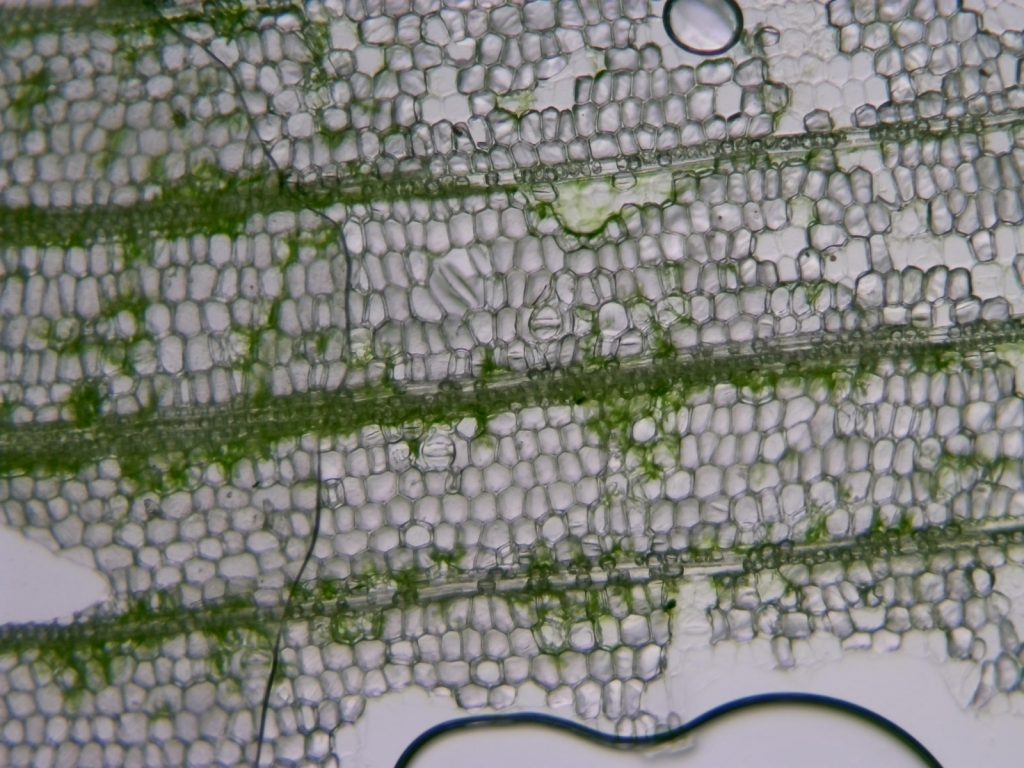
Before switching to a higher magnification, the 10x objective can be used to obtain a clearer view of the part of the specimen to be observed.
40x Objective: Observation of Cell Details and Microscopic Structures
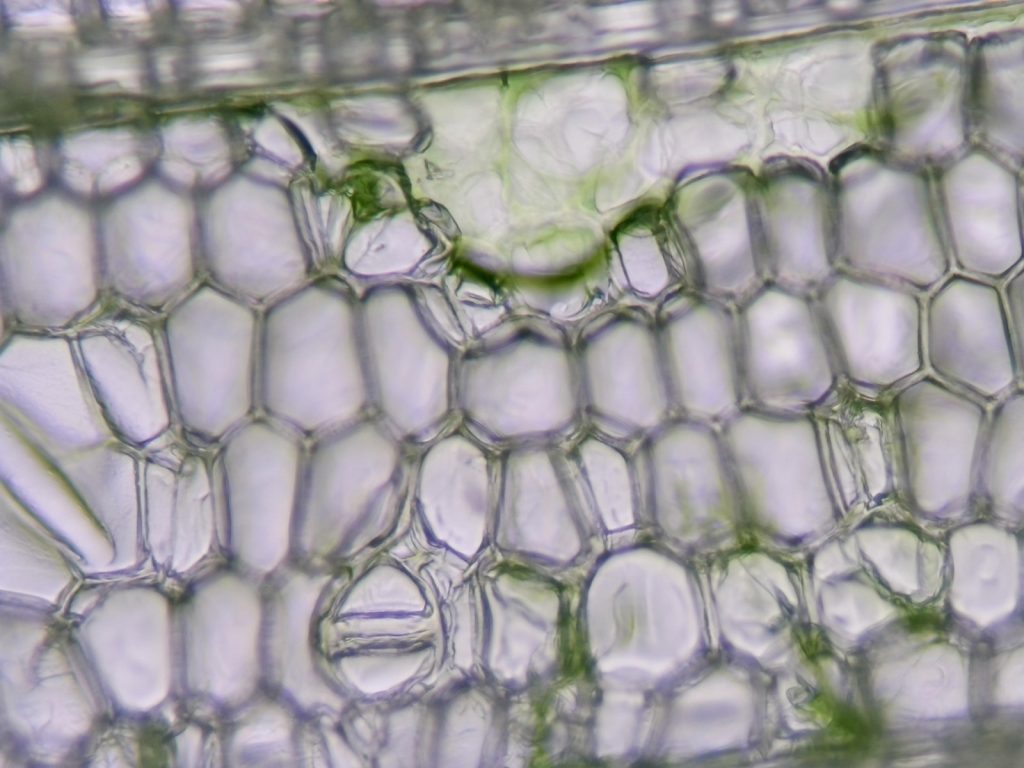
The 40x objective is used for observations requiring greater detail, such as cell structures, tissues, or smaller components of a specimen. At this magnification, the field of view becomes narrower, and the focus must be adjusted more carefully. The 40x objective is one of the most commonly used magnifications in various light microscopy observations.
100x Objective: Extremely High Detail
100x objective, specifically the oil immersion, used when it is necessary to observe very small structures. This magnification is widely used in microbiology and the observation of cellular specimens, including the observation of microorganisms or structures that require high resolution.
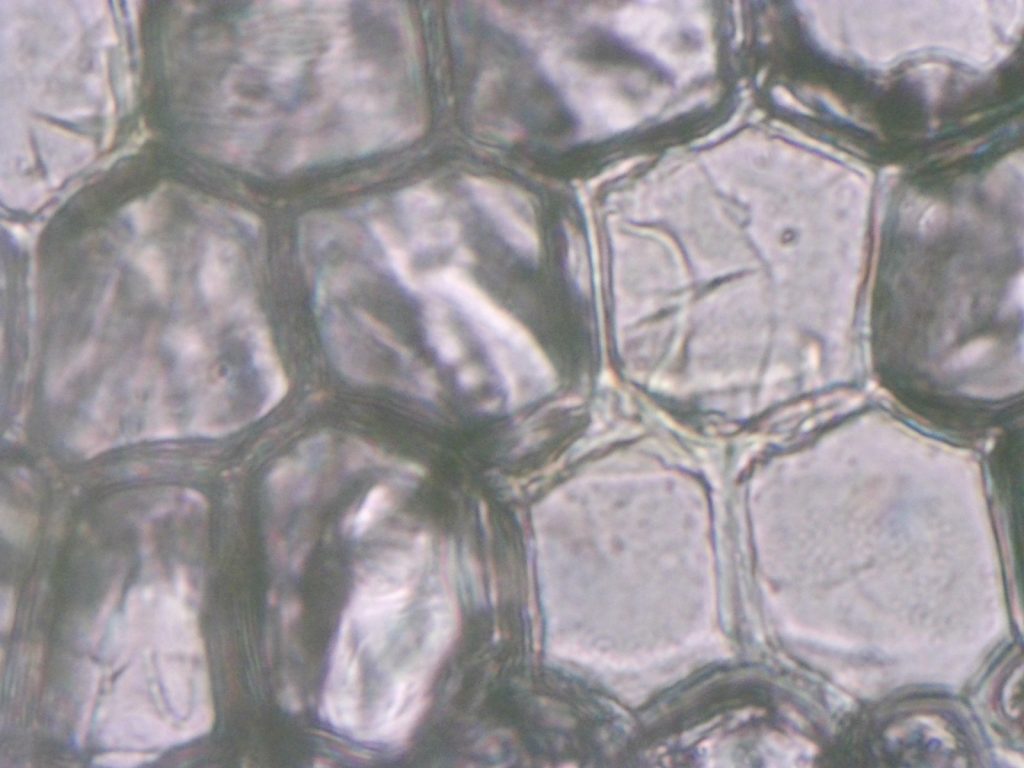
100x Objective Lens oil immersion uses immersion oil to help achieve a higher numerical aperture (NA). Therefore, its use differs from that of an objective dry yang menggunakan udara sebagai medium antara objektif dan preparat.
Choose the Magnification of a Microscope Objective Lens Based on Your Needs
The choice of objective should not be based solely on the magnification factor. The numerical aperture (NA) and the objective’s resolving power are also important, because excessively high magnification without an increase in detail can result in empty magnification.
If you’re looking for microscopes and accessories for observation purposes, there’s a wide selection of OptiLab products available that can be tailored to your specific needs. Visit PT Miconos website for the purchase of microscopes and related equipment.***