


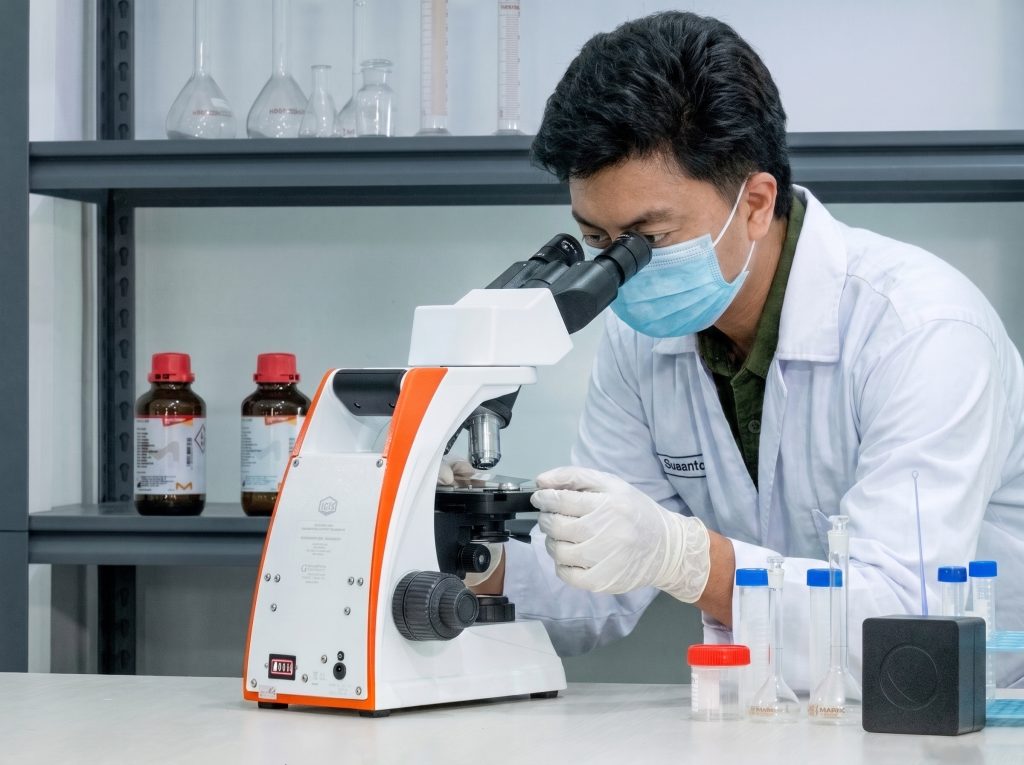
A microscope is a crucial instrument that is inseparable from any research activity. Without this device, researchers and practitioners would find it difficult to observe cells, tissues, or microorganisms with accurate detail.
Therefore, understanding the functions of a biology laboratory microscope is highly important to ensure your lab equipment investment is right on target. This article will discuss the main uses of a microscope and what you need to consider before choosing one.
The Main Functions of a Microscope in a Biology Laboratory
In the study of biology, a microscope functions to magnify images of microscopic-scale objects so their detailed structures can be clearly seen by the human eye. This device allows for the observation of plant cell anatomy, animal tissues, and even bacterial movement on wet mount slides.
Additionally, microscopes are widely utilized for clinical pathology, genetic research, and microbiological analysis. With proper lighting and condenser adjustments, even transparent specimens can be observed with sharp contrast.
Important Considerations When Choosing a Microscope
Choosing an optical instrument for institutional or research needs should not be done haphazardly. Here are several important factors that must be considered:
Magnification and Resolution Levels: Ensure the objective and eyepiece lenses used can provide a magnification range suitable for your target specimen (generally from 40x to 1000x using immersion oil).
Microscope Head Configuration: A binocular microscope is very comfortable for hours of routine observation. However, if you plan to take photos or videos of the observation results, a trinocular microscope is a much better choice.
Lighting Quality: Choose a unit with a stable LED light source that has adjustable intensity. Even illumination greatly affects the clarity of the specimen's image.
Ease of Digital Documentation: In the modern era, the ability to record observation results directly to a computer screen has become the new standard in various medical and academic institutions.
Improve Laboratory Performance with OptiLab Cameras
To meet digital documentation standards, you actually do not always need to buy a new, expensive digital microscope unit. You can optimize your existing trinocular or binocular microscope by adding a microscope camera device.
PT Miconos provides solutions through various OptiLab camera lines designed to be compatible with numerous microscope brands on the market. You can choose the Advance Lite for practical daily documentation, Advance Plus for high-resolution captures, Sigma 4K for advanced visual detail needs.
Does your facility need an upgrade to a precise visual documentation system? Consult the specifications of your biology laboratory microscope with the PT Miconos team to get the best OptiLab camera recommendations!