


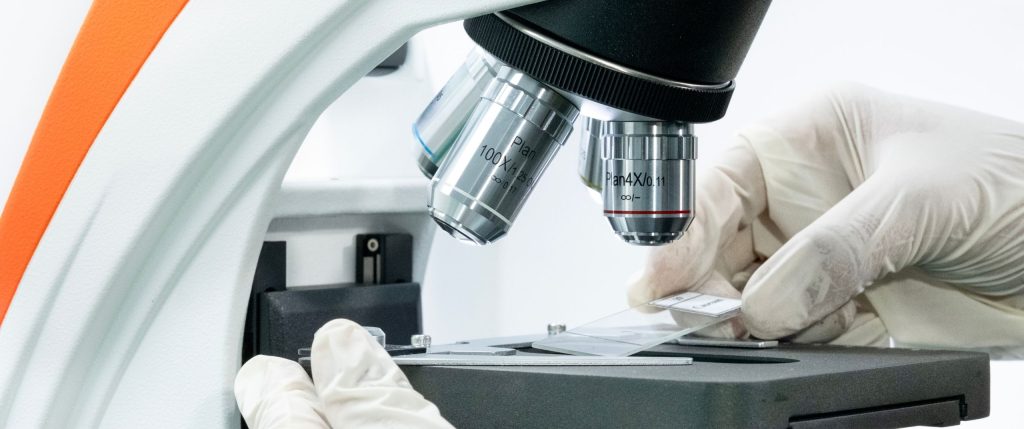
Understanding the difference between wet mount and dry mount slides is highly important in laboratory activities. These two specimen preparation techniques are most commonly used for microscopic observation. Although they look similar, they have different functions and preparation methods.
Even though they appear similar, they have significant differences in terms of function and preparation. Therefore, understanding the distinction between these two types of slides is crucial to ensure optimal sample analysis.
What is a Wet Mount Slide?
A wet mount slide is a sample preparation technique using liquids, such as water, saline solution, or staining agents. The sample is placed on a glass slide, a drop of liquid is added, and then it is covered with a cover slip (cover glass).
This technique is typically used to observe living organisms or fresh tissues. Furthermore, the liquid serves to maintain the specimen's moisture so it does not dry out quickly during observation.
What is a Dry Mount Slide?
Unlike a wet mount, a dry mount slide does not use any liquid medium. The sample is placed directly on the glass slide and often goes through a light fixation or heating process.
This slide is generally used for solid samples or dead microorganisms. Because it does not contain liquid, this type of specimen is usually more stable and durable.
Key Differences Between Wet Mount and Dry Mount Slides
To make it easier to understand, here are several main differences between the two types of slides:
Liquid Medium : Wet mounts require a covering liquid, while dry mounts are used in a completely dry condition.
Sample Condition: Wet mounts are suitable for observing living cells or microbial movement. Meanwhile, dry mounts are ideal for solid samples such as hair, pollen, or dead specimens.
Shelf Life: Wet mounts are temporary because the liquid can evaporate. On the other hand, dry mounts can be stored longer as preserved objects.
Difficulty Level: Creating a wet mount requires careful attention to prevent air bubbles from forming. Conversely, preparing a dry mount is relatively simpler.
Choosing the right type of slide heavily depends on the purpose of your laboratory analysis. If you want to observe the movement of living microorganisms, then a wet mount is the best choice.
However, if you need a durable sample for routine documentation, a dry mount is much more practical. The use of digital microscope camera technology can also help clarify observation details on both types of slides.
Does your laboratory facility need a high-quality digital microscope camera to capture sample observation results? Contact the PT Miconos team today to get the best OptiLab instrument solutions!