


Microscopes are essential tools for learning, research, and sample analysis. However, the requirements for a school microscope naturally differ from those for a university or professional laboratory. Therefore, selecting a microscope should not be based solely on price or magnification power, but should also consider its intended application and available features.
1. Match the Microscope to Your Specific Needs
The first step is determining the type of observations you will conduct. Schools generally need microscopes for basic lab work, such as observing plant cells, tissues, or simple microorganisms. An easy-to-operate biological microscope is an ideal choice for these learning activities.
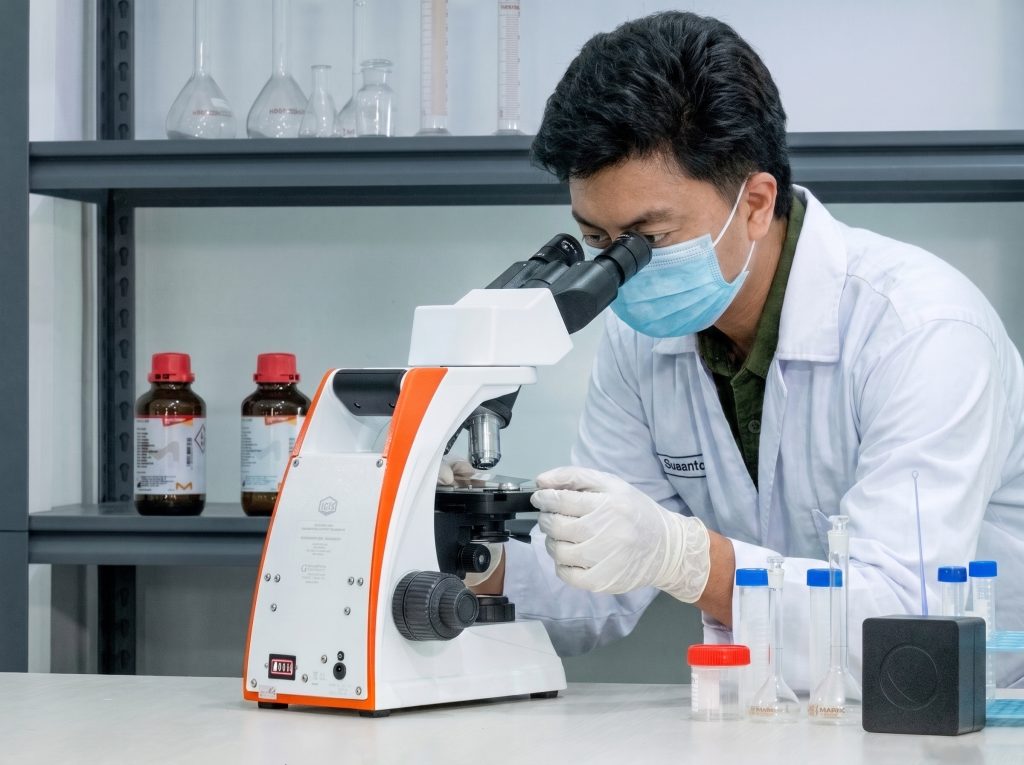
Meanwhile, universities and research laboratories often require devices with more versatile observation capabilities. Consider the types of samples, the level of detail required, and how frequently the equipment will be used.
2. Pay Attention to Magnification and Optical Quality
Magnification is a key factor when selecting a microscope. Objective lenses with magnifications of 4x, 10x, 40x, up to 100x serve distinct functions depending on the observation goal. However, higher magnification is not always the top priority.
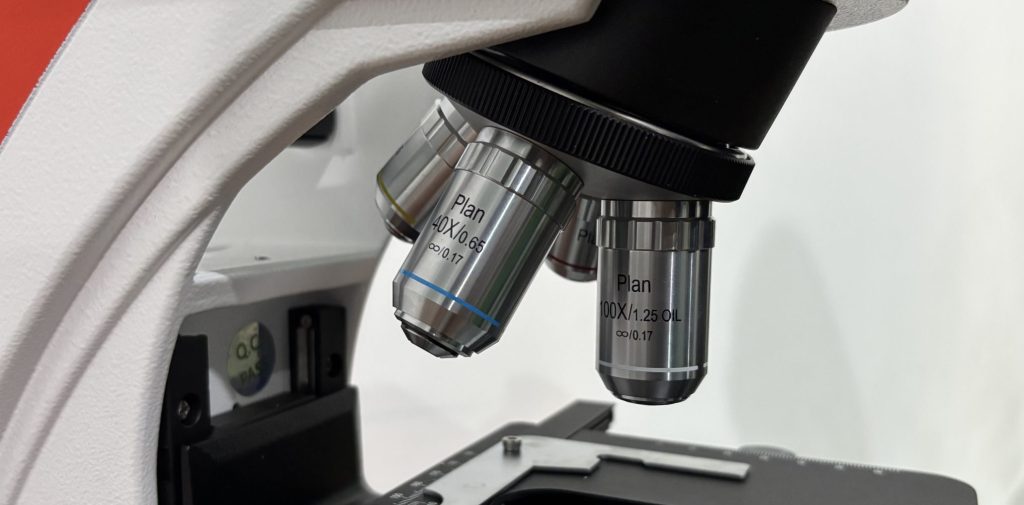
Optical quality is equally important because it directly impacts image clarity and sharpness. Make sure the microscope features an illumination system and focus controls suited to your specific observational tasks.
3. Consider Features and Ease of Operation
Microscopes used for educational purposes should be user-friendly for both students and instructors. Practical focus adjustments, stage positioning, and lighting controls help ensure a smoother and more comfortable observation process.
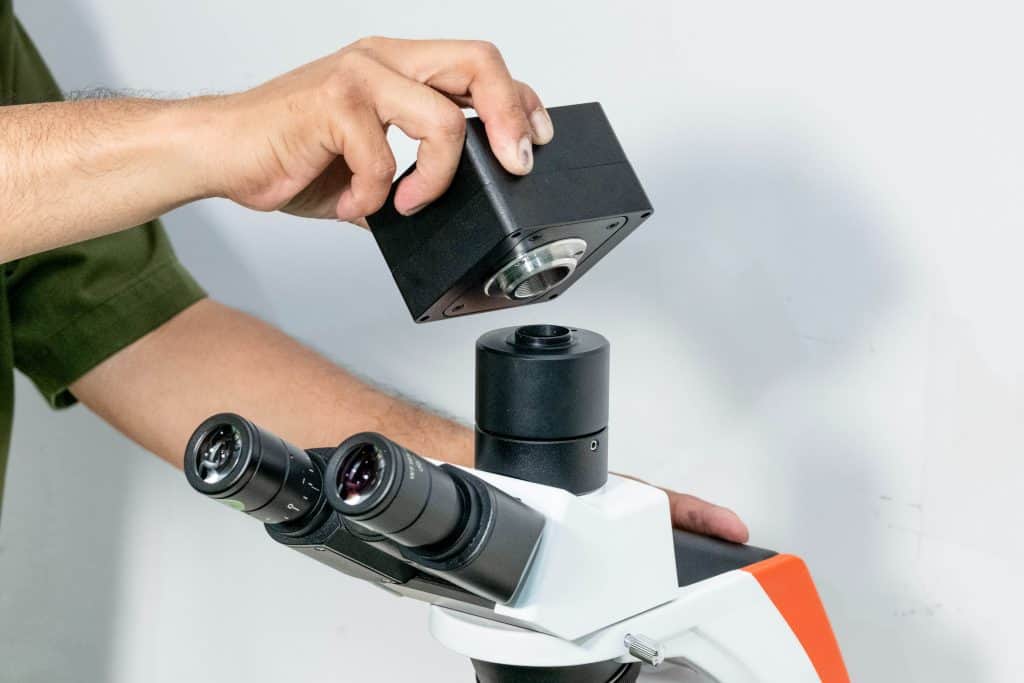
For documentation or collaborative learning, consider a microscope that can be integrated with a digital camera. This feature allows observation results to be displayed on a screen and saved for future reference.
4. Check Durability and After-Sales Support
Beyond technical specifications, consider the device's durability and maintenance requirements. Microscopes used regularly require proper cleaning and storage to maintain peak performance over time.

Also, verify warranty coverage, technical support, and the availability of replacement parts. Accessible after-sales service helps minimize downtime whenever the equipment requires inspection or repair.
Choose the Right Microscope for Your Needs
Selecting the right microscope means aligning specifications, optical quality, features, and maintenance support with your users' actual needs. With these considerations in mind, schools, universities, and laboratories can invest in equipment that reliably supports their observation work for the long term.
Explore a wide selection of OptiLab microscopes and microscope cameras for educational and laboratory applications on PT Miconos' official website at www.miconos.co.id.